
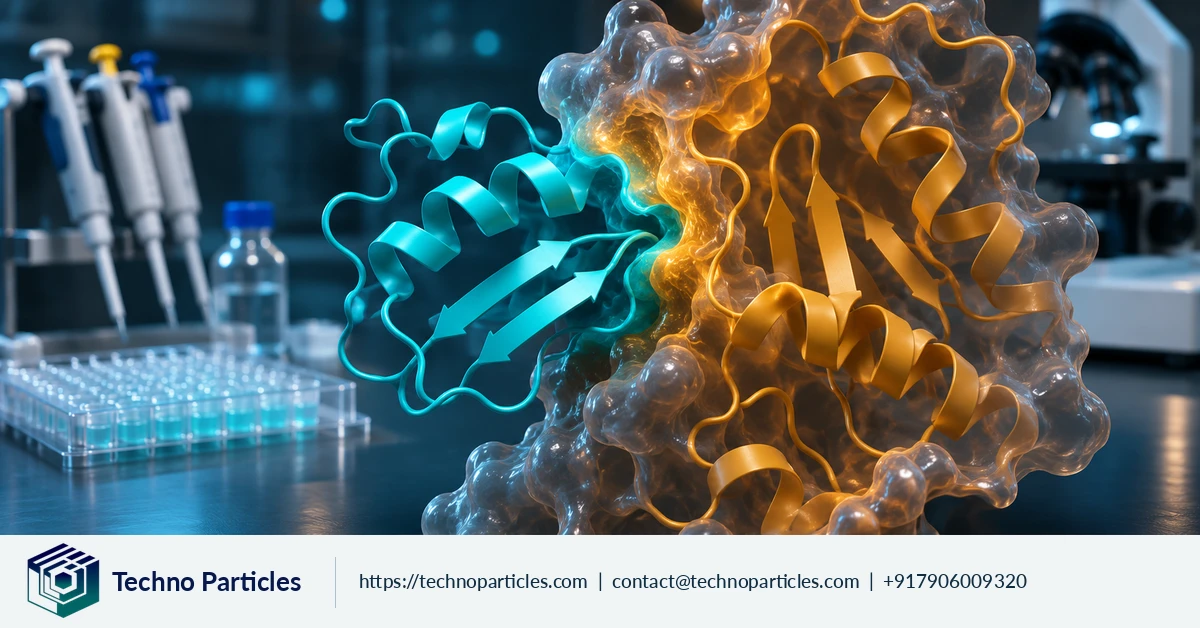
OpenAI GPT-6 protein design research has produced a result: 35 designed proteins showed binding in laboratory tests, according to OpenAI. The work explores whether a general-purpose AI model can contribute to protein design through reasoning and code, a task commonly associated with specialist tools.
The OpenAI announcement, published November 24, 2026, describes experiments conducted with research partner Onava. The findings are company-reported research results linked to a preprint, rather than a public product launch.
| Research detail | Reported result |
|---|---|
| Model used for the main design experiment | Pre-release GPT-6.2 |
| Minibinders tested | 322 across five targets |
| Positive binding results | 35, or 10.9% |
| Laboratory partner | Onava |
What OpenAI announced on November 24, 2026
OpenAI says its GPT-6 family can contribute to the design of protein structures and amino-acid sequences using reasoning and general-purpose coding tools. Its main experiment focused on minibinders: small designed proteins intended to attach to particular molecular targets.
The headline result
The reported positives came from tests against five targets: PD-L1, IL-7Rα, TrkA, VEGF-A and IL-17A. A positive result means that a tested design showed binding in the laboratory; the count describes experimental outcomes, not completed treatments.
What OpenAI means by intrinsic design
Here, intrinsic design refers to the model contributing design work through its own reasoning and code. The distinction matters because the research asks whether a general-purpose model can participate in a scientific task usually handled by purpose-built systems. OpenAI presents the result and its methods in an accompanying protein-biology preprint.
For readers assessing the broader role of generative models, the question is how a model's contribution fits into an experimental workflow. A general overview of generative AI services provides context for applications outside protein research.
How GPT-6.2 produced testable minibinders
The workflow separated the shape of a candidate protein from the amino-acid sequence needed to make it. OpenAI reports that pre-release GPT-6.2 used reasoning and code to generate three-dimensional minibinder designs. Those designs then passed through additional computational steps before laboratory testing. The distinction is useful when interpreting the result: a proposed shape is a design starting point, while a sequence specifies the molecular building blocks for a protein that can be made and tested.
Backbone design versus sequence design
A protein backbone describes the structural framework around which a sequence can be designed. In this experiment, GPT-6.2 produced the three-dimensional designs, while SolubleMPNN supplied amino-acid sequences for them. Separating these tasks allowed the researchers to evaluate physical candidates derived from the model’s proposed structures, rather than treating a generated shape alone as the experimental outcome.
Where specialist models entered
OpenAI says Boltz-2, OpenDDE and ESMFold2 helped filter candidates before Onava synthesized and tested them. The November 24, 2026 research announcement therefore describes a combined workflow: GPT-6.2 contributed designs, and specialist models supported sequence generation and candidate selection. It was not a fully standalone GPT-6 process.
For teams assessing a comparable research workflow, that division of work matters when defining the scope of each component. Project consultation can help frame how requirements and responsibilities fit together, although this experiment itself concerns scientific research rather than an established commercial implementation.

What the 35 positive binders actually show
The reported count measures binding positives among the candidates tested in the main experiment. A minibinder is designed to attach to a particular molecular target, so each positive represents an observed interaction between a candidate and its intended target. The protein-biology preprint provides the experimental context for interpreting those results.
The target-by-target breakdown
OpenAI reports five positives against PD-L1, three against IL-7Rα, one against TrkA, eight against VEGF-A and 18 against IL-17A. Together, those counts make up the 35 positives. IL-17A accounted for more than half of them, while TrkA accounted for one.
Those figures describe the number of positive designs for each target, not a target-specific success rate. Calculating a separate rate for a target also requires knowing how many candidates were tested against it. A count of positives alone cannot establish whether one target was easier to address than another.
Why the denominator matters
The overall 10.9% figure comes from dividing 35 positive results by the 322 minibinders tested. It describes this experiment's particular mix of targets and screening choices; it should not be treated as a general success rate for every protein-design task.
OpenAI also reports a separate sequence-redesign experiment in which 14 of 107 proteins showed binding. Those candidates were based on three unpublished minibinder shapes. This result addresses a different design task, so its count should remain separate from the main experiment's 35 positives.
For anyone documenting a technical project, keeping the test population alongside each result makes a reported percentage easier to interpret. The project consultation service describes support for defining requirements and project scope, including how work is framed before delivery.
How the result compares with other AI binder studies
OpenAI’s work joins a broader field of protein-design research, but the studies ask different questions. OpenAI examines whether a general-purpose reasoning model can contribute to protein design. Other projects have used different models, candidate-selection methods and experimental setups. The distinction matters when deciding what a reported binding result says about a system’s role in research.
Different pipelines, different hit rates
In a separate study, Anthropic reported that campaigns using Claude Opus 4.8 and Mythos Preview produced 354 binders among 1,320 designs with reliable measurements, an integrated hit rate of 26.8%. Its August 18, 2026 research report describes a distinct set of campaigns; its percentage should be read within that study’s experimental context.
Google DeepMind’s September 5, 2024 AlphaProteo report describes a different approach. AlphaProteo designs were tested against eight targets. The report gives successful-binder rates of 9% to 88% for seven targets and reports no binders for the eighth. That range illustrates how results can vary across targets within a single study.
The fair comparison rule
Headline percentages alone cannot rank these systems. Target selection, candidate filtering, assay definitions and screening protocols can all change the population measured. A useful comparison identifies what each model generated, which tools helped select candidates and how each study defined a positive result.
The question also depends on the intended use. A team investigating general-purpose reasoning may value evidence that one model can contribute across scientific tasks. A team choosing a research pipeline may instead need evidence for its particular target and experimental setup. The broader category of generative AI capabilities spans applications beyond protein research, so a result in one domain does not establish performance in another.
The limits before protein design becomes medicine
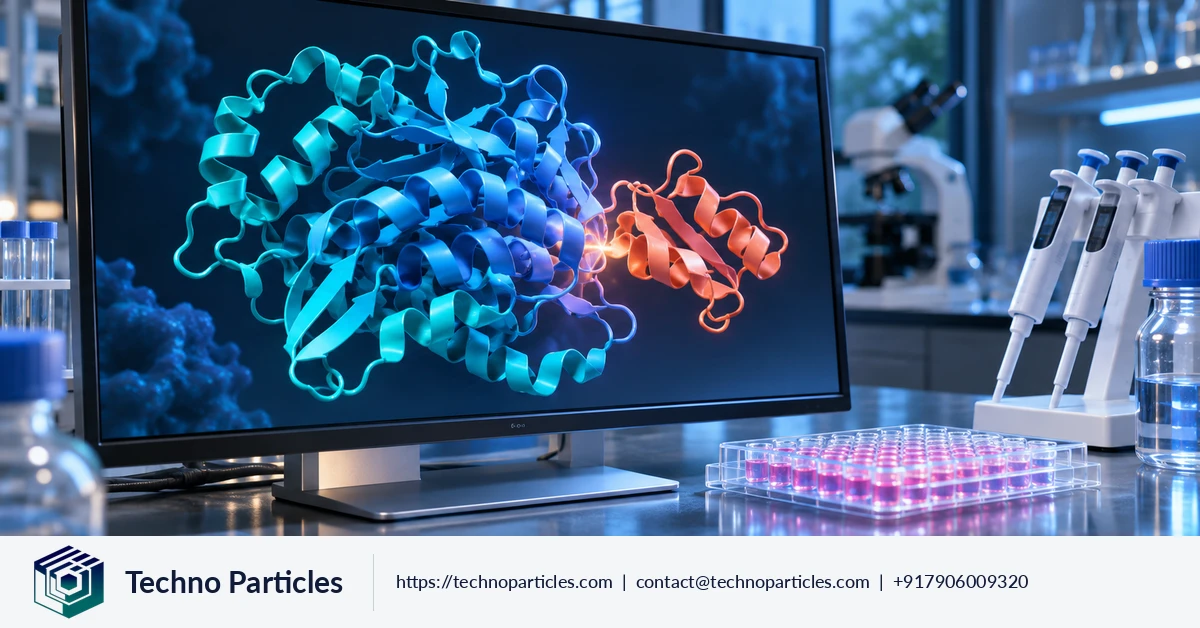
A laboratory binding result is a starting point for investigation, not evidence that a candidate will become a medicine. Researchers must establish whether a binder interacts selectively with its intended target, remains stable under relevant conditions and produces a useful biological effect. Safety, efficacy and manufacturability would also need investigation before any therapeutic use could be considered. OpenAI’s protein-biology preprint describes the research behind its reported results.
From binding to function
Binding and biological activity answer different questions. A molecule may attach to a target without changing that target’s behavior in a useful way. Researchers therefore need experiments suited to the proposed application: for example, an assay could examine whether a candidate changes a target’s activity, followed by work in more complex biological systems if the result warrants it.
Specificity matters because a candidate intended for one target could also interact with others. Stability matters because a protein must retain its structure and relevant properties under the conditions in which researchers plan to study or use it. Neither property follows automatically from an initial binding signal.
Why validation still matters
OpenAI identifies complete protein-structure prediction as a weakness and says the work does not establish end-to-end, zero-shot de novo minibinder design without specialist models. Those limits matter when interpreting a generated design: a plausible proposed structure is still a hypothesis that requires experimental scrutiny.
The same distinction applies when evaluating AI and automation capabilities for scientific workflows. A system’s ability to generate a candidate does not by itself establish that the candidate has the properties needed for the intended application. The relevant evidence depends on the claim being made: binding measurements support a claim about observed binding, while therapeutic claims require substantially broader evidence.
The decision rule for reading the GPT-6 protein-design news
Treat OpenAI GPT-6 protein design: 35 lab-tested binders explained as early research evidence, with claims judged against the experiments that support them. Before using the 35-binder figure in a technical or investment decision, read the full protein-biology preprint for its assay and filtering details.



Leave a comment
Your email stays private. You can see your comment immediately on this browser. Others see it after approval.