
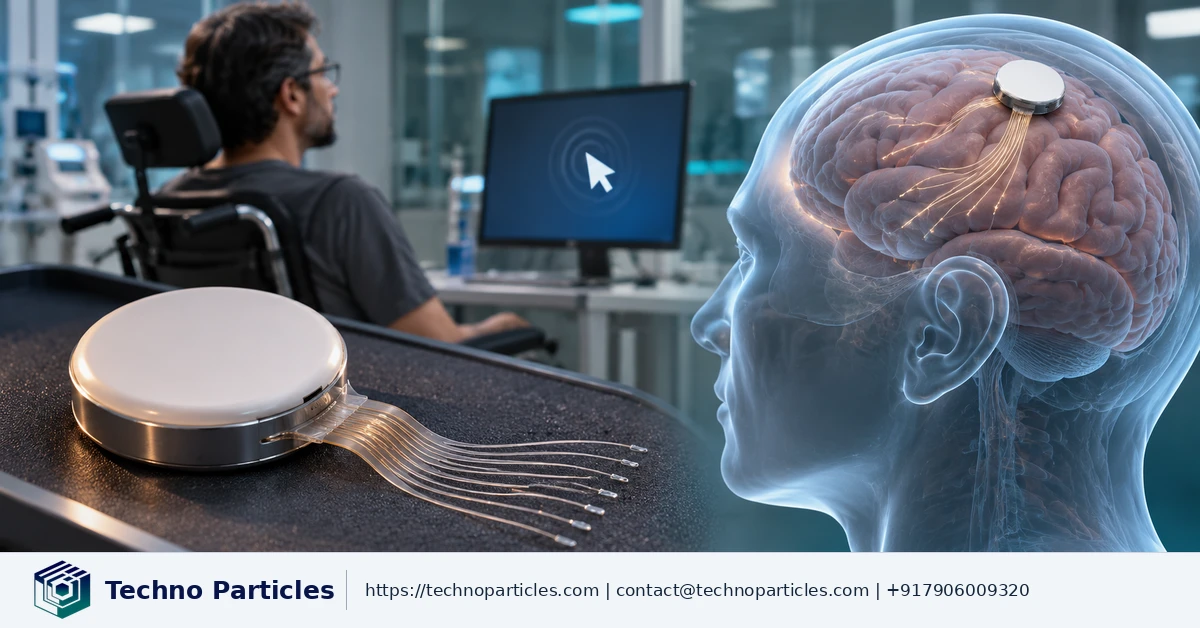
Neuralink says the U.S. Food and Drug Administration has approved the launch of its LINK Pivotal Study, a clinical trial focused on people with severe paralysis caused by amyotrophic lateral sclerosis (ALS). In its November 25, 2026 announcement, the company said the study will evaluate the safety and effectiveness of its implantable brain-computer interface, including its potential to help participants control digital devices.
The Neuralink LINK FDA-approved pivotal trial for ALS is an evidence-gathering study. Neuralink also describes it as the first pivotal trial for an implantable brain-computer interface in the United States, a distinction attributed to the company.
| Study question | What Neuralink reports |
|---|---|
| Who is the study for? | People with severe paralysis caused by ALS. |
| What will it assess? | Safety and effectiveness, including digital-device control and functional independence. |
| Where will it take place? | Across multiple clinical sites. |
| Is enrollment open? | Neuralink says enrollment is open; its study page lists the U.S. pivotal trial as recruiting. |
What changed with the LINK Pivotal Study?
In its November 25 announcement, Neuralink said it had received FDA approval to launch the study and would examine long-term safety and reliability alongside participants’ ability to use digital devices. The company says enrollment is open, and its Telepathy study page lists the pivotal trial as recruiting adults living with ALS in the United States.
A pivotal study is an evidence-gathering stage: the FDA’s May 2021 guidance on implanted brain-computer interfaces discusses clinical considerations for both feasibility and pivotal studies. For readers interested in the software side of device interaction, application development services describe related work on digital applications. The clinical study itself is designed to assess the interface in its intended patient population.
What FDA approval means for the LINK study
Permission to conduct a clinical study and approval to market a medical device are separate regulatory decisions. An FDA investigational device exemption, or IDE, allows an investigational device to be used in a clinical study to collect safety and effectiveness data. It does not itself establish that the device is safe and effective for general use.
Neuralink describes its implant and Telepathy system as investigational. Its study information says the device is not FDA-approved for general use and may be used in the clinical study under an IDE. The company’s announcement concerns authorization to launch the study; it should not be read as a clearance for routine treatment or commercial sale.
Why a pivotal study matters
Early feasibility studies can help researchers understand whether an approach warrants further investigation. A pivotal study is designed to gather evidence that can inform a later regulatory decision. The distinction matters because promising observations from earlier work do not, by themselves, answer every question about a device’s performance and safety in its intended population.
For an implanted brain-computer interface, the evidence must address both the implanted system and its clinical use. That includes understanding how the study measures outcomes and follows participants over time. The FDA’s guidance for implanted brain-computer interfaces sets out considerations for studies involving people with paralysis or amputation.
Readers assessing a research proposal may also need to distinguish a technical development plan from a clinical authorization. Project consultation services concern planning and scope; they do not determine whether an investigational medical device can be used in a trial.
How the LINK system is intended to work
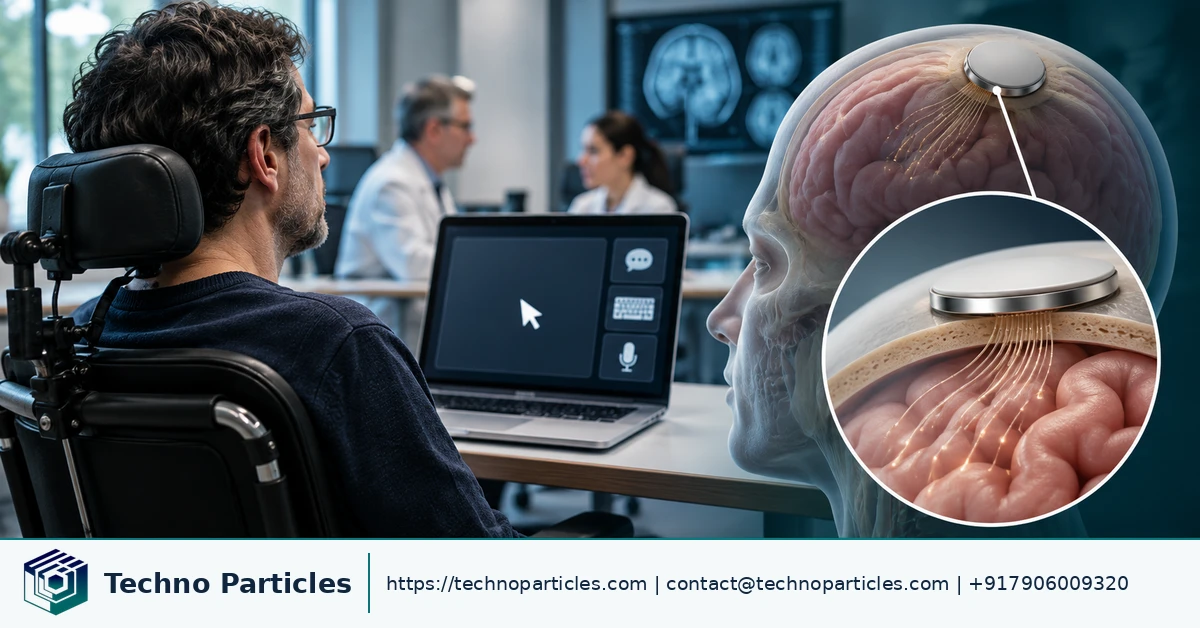
Neuralink describes the N1 Implant as a brain-computer interface intended to turn signals associated with imagined hand movements into commands for a digital device. The intended result is cursor navigation without a physical mouse: a participant imagines moving a hand, and the system interprets that activity as an input.
The company says the interface can also support left, right and middle clicks. These actions provide different ways to interact with on-screen controls, while cursor movement determines where the action takes place. Together, they offer a means of operating a digital interface without relying on hand movement.
That distinction matters for people whose ALS has severely limited use of their hands and arms. A cursor can provide a route to digital interaction, but the system does not restore movement, feeling or speech. Individual performance can vary.
The interface also depends on the software and screens a person is trying to use. Clear controls and accessible interaction patterns can make digital applications easier to navigate; UI and UX design services cover usability and accessibility review for those interfaces. The LINK study itself will assess the investigational system’s safety and effectiveness, including its potential contribution to functional independence, according to Neuralink’s study announcement.
Who may qualify and what participation involves
Neuralink lists adults aged 18 or older who have ALS, little or no use of both hands and arms, and a consistent, reliable caregiver as potentially eligible. These public criteria are a starting point, not a promise of enrollment: the study team determines eligibility through screening and informed consent.
The company’s November 25, 2026 announcement says enrollment is open. For a prospective participant, the distinction between expressing interest and joining the study matters: the research team must assess the individual circumstances before participation can proceed.
Participation involves implant surgery and study-related follow-up visits. A caregiver’s consistent support is part of the published eligibility criteria, so discussing the practical demands with that person is an essential part of considering the opportunity. A healthcare professional can also help a person with ALS understand how the study may fit their circumstances.
Neuralink says the study device, surgery and study-related visits are provided at no charge. It also describes travel and lodging support on its study page, with details subject to informed consent. Those provisions concern participation in the research study; they do not establish a commercial price for the implant.
For families considering digital access more broadly, the design of an application can affect how easily a person navigates its controls. Techno Particles’ mobile and application development page describes work on applications; any particular accessibility requirements should be assessed for the person and software involved.
What evidence the trial still needs to establish
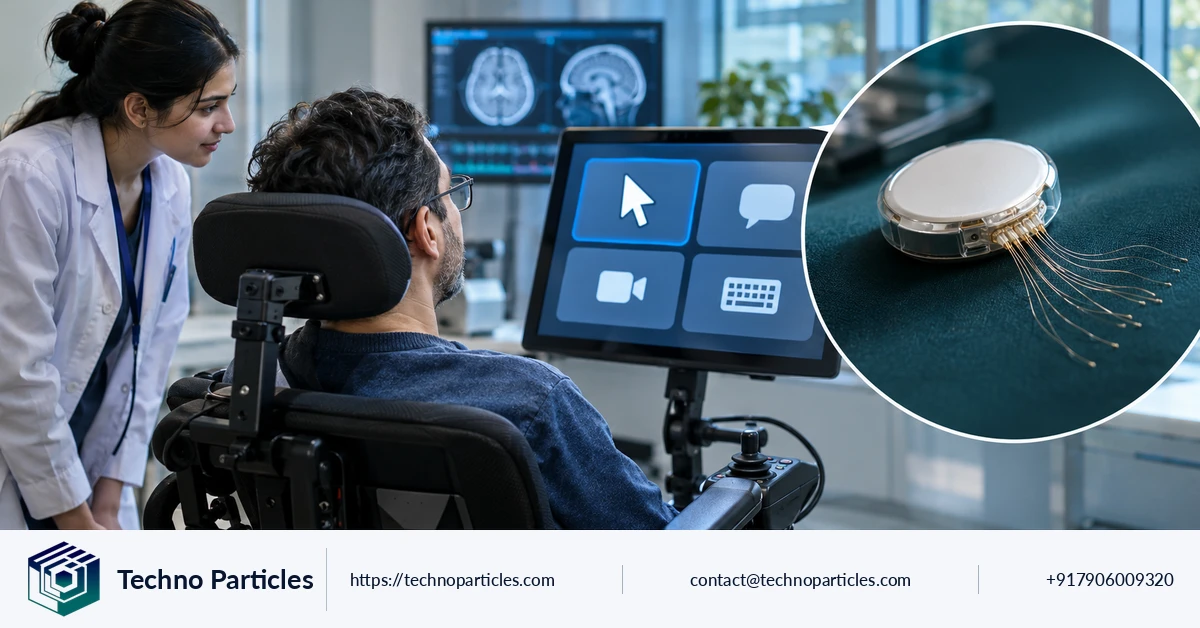
Neuralink says more than 30 participants have received its implant and describes experience from earlier use in its LINK study announcement. Those are company-reported observations. They are distinct from published trial results showing how safely and effectively the system works for the intended ALS population.
The pivotal study’s stated goals include assessing safety, effectiveness, functional independence and long-term reliability. Evidence on effectiveness would need to show what participants can accomplish with the system and how those outcomes are measured. Evidence on independence would need to make clear which activities are assessed and whether changes are meaningful in participants’ daily lives.
Safety evidence also has to account for more than the device’s ability to respond to a command. Implantation involves a surgical procedure, and a long-term assessment can examine complications, device reliability and other events over follow-up. The FDA’s explanation of investigational device exemptions describes clinical studies as a way to collect safety and effectiveness data.
When results are reported, readers can look for the number of participants included, the outcomes measured, the duration of follow-up and the rate and nature of adverse events. Those details help put individual experiences in context and clarify what the findings can support. A comparison with another approach would require evidence designed to support that comparison.
Software development and clinical evaluation answer different questions. For example, generative AI services address software capabilities and workflows; they cannot establish whether an implanted medical device is clinically safe or effective. No verified safety, effectiveness, comparative or long-term outcome results for the LINK pivotal study are available in the cited sources.
Neuralink LINK FDA-approved pivotal trial for ALS explained: The decision
For a person with ALS considering the LINK study, the decision rule is to consider participation as clinical research, not as access to an approved treatment. The next step is to discuss the opportunity with a healthcare professional and consult Neuralink’s official trial information for eligibility questions.


Leave a comment
Your email stays private. You can see your comment immediately on this browser. Others see it after approval.