

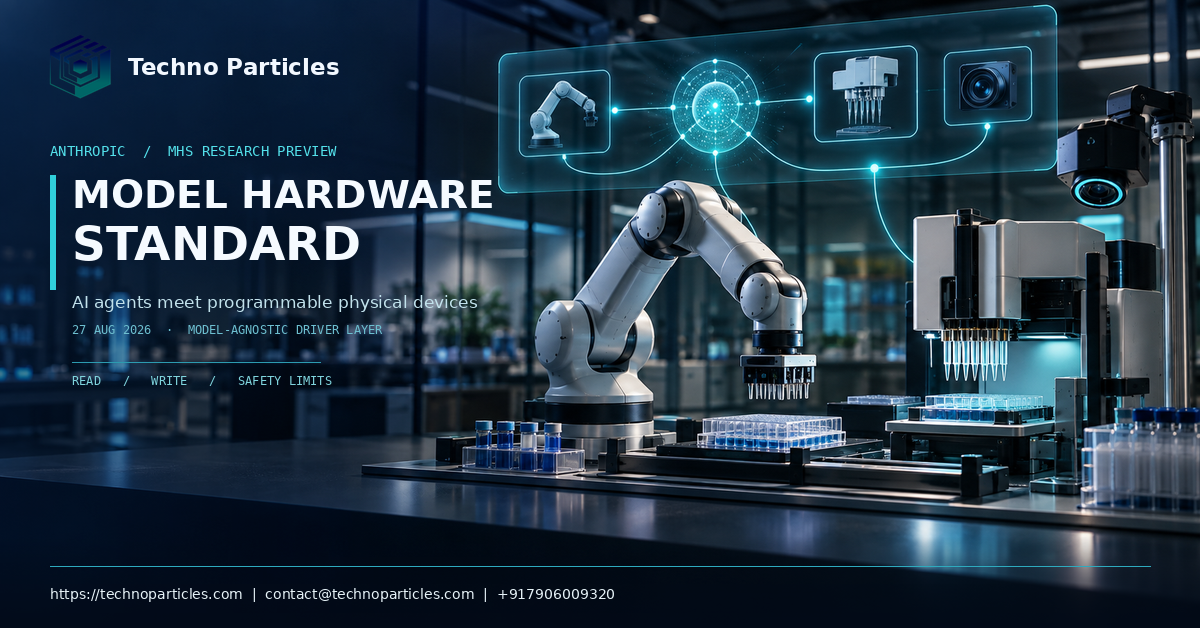
Anthropic is extending the agent ecosystem beyond screens and software with the Model Hardware Standard for AI agents. Announced on August 27, 2026, MHS is a research-preview specification designed to help agents safely operate physical devices used in scientific research and advanced manufacturing.
The project began as a collaboration between Anthropic and HHMI Janelia Research Campus. The first preview is limited to a group of scientific research labs and advanced manufacturers, so this is not a consumer product or a finished robotics platform. It is better understood as shared plumbing between an AI agent and equipment that has traditionally required custom integrations.
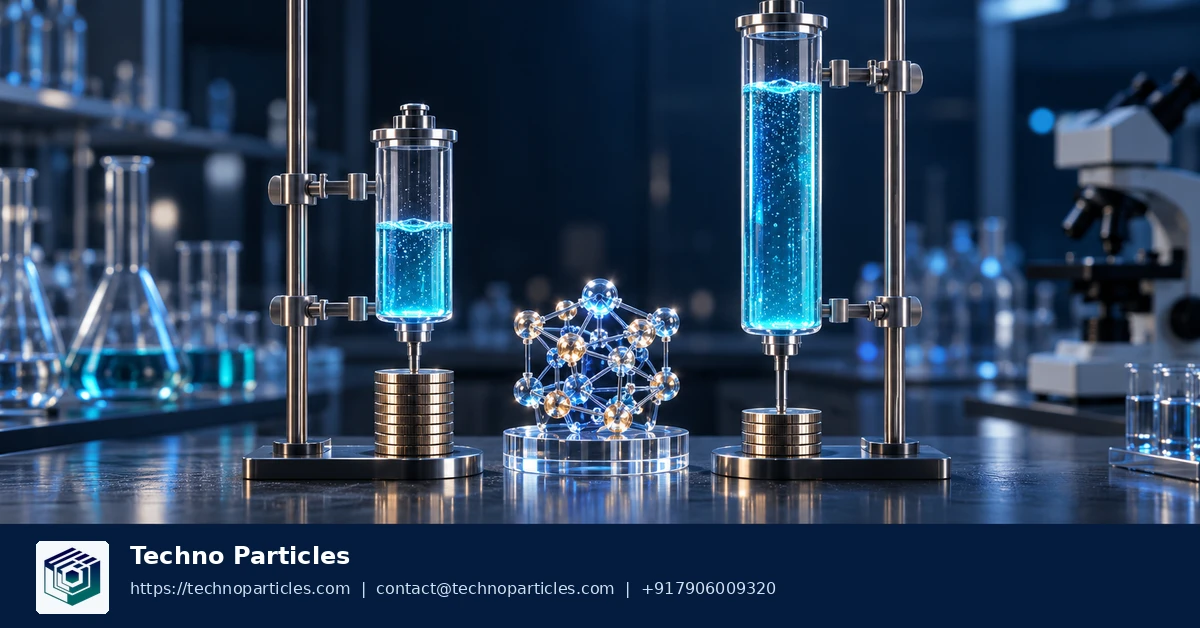
Anthropic says MHS can connect instruments such as microscopes, liquid handlers, robotic arms, cameras, and other programmable systems. Once connected, an agent can coordinate several devices, follow an experimental procedure, adjust parameters as results arrive, and in some cases respond to hardware errors. That possibility matters because laboratories and factories often contain machines from different vendors that do not naturally communicate.
What the Model Hardware Standard changes
Today, integrating equipment is frequently a bespoke software project. A facility may need separate drivers, authentication methods, command formats, and safety logic for every instrument. Documentation can be incomplete, and important operating knowledge may remain inside manuals or with experienced technicians.
MHS proposes a common driver layer. Each connected device exposes information about what it is, what it can do, which settings can be changed, and what restrictions apply. An agent can then discover the available equipment instead of relying on a developer to hard-code every possible connection.
The standard also provides a consistent way to interact with devices. Anthropic describes basic read and write operations as the foundation: an agent reads measurements or device state, then writes an approved command or setting. The simplicity is deliberate. A common interface gives the agent a predictable vocabulary while the driver translates those operations into the machineâs native controls.
Anthropic says this can reduce integration work from weeks or months to hours or minutes. That is a company description of the intended benefit, not an independently established result for every facility. The practical outcome will depend on the equipment, driver quality, network design, permissions, and the amount of human review required.
MHS and MCP are related, but different
Readers familiar with Anthropicâs generative AI development services may recognize the comparison with the Model Context Protocol, or MCP. MCP helps AI systems connect to software tools, data sources, and business applications through a shared protocol. MHS applies a similar idea to physical equipment.
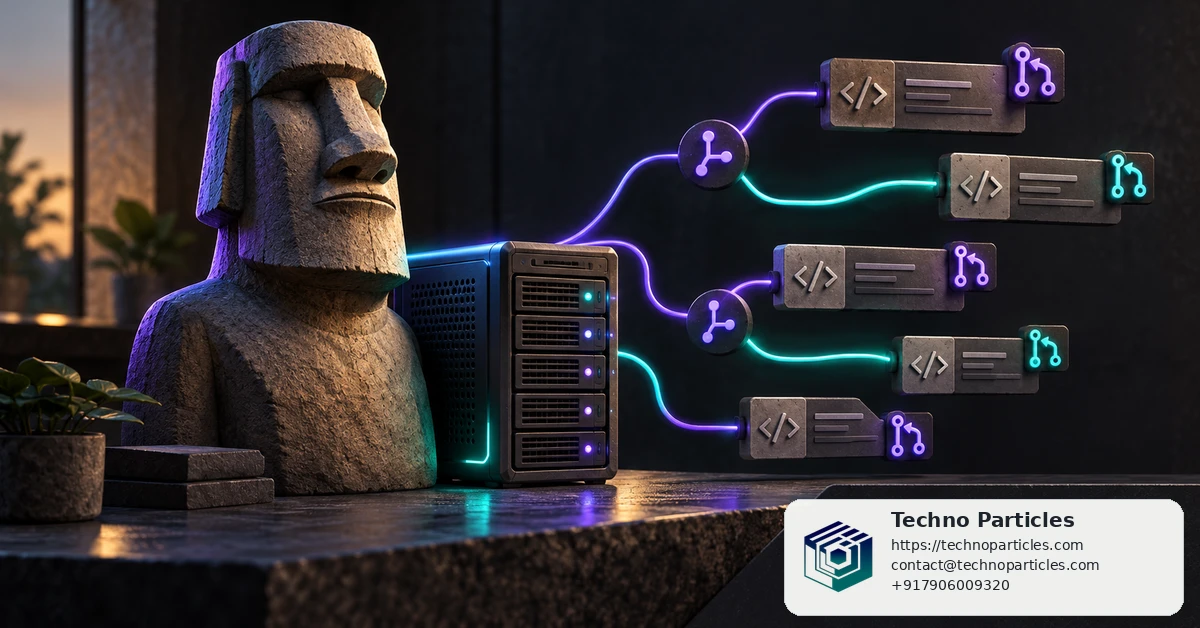
That does not mean MHS replaces MCP. Anthropic says MHS is model-agnostic and can be accessed by an agent harness through standard protocols such as MCP. In a typical architecture, MCP could help an agent communicate with the surrounding software, while MHS drivers describe and control the instruments themselves.
The separation is important. A model should not need to understand every vendor-specific command language. It needs a reliable description of the available hardware, the actions it is allowed to take, and the information it can observe. That abstraction could make hardware automation easier to maintain as models, tools, and equipment change.
For developers, the opportunity is less about giving a chatbot a robotic body overnight and more about creating reusable orchestration systems. A laboratory workflow, for example, could combine planning, instrument control, data analysis, reporting, and approval steps in one agent-driven process.
Anthropic Model Hardware Standard for AI Agents Explained - Techno Particles
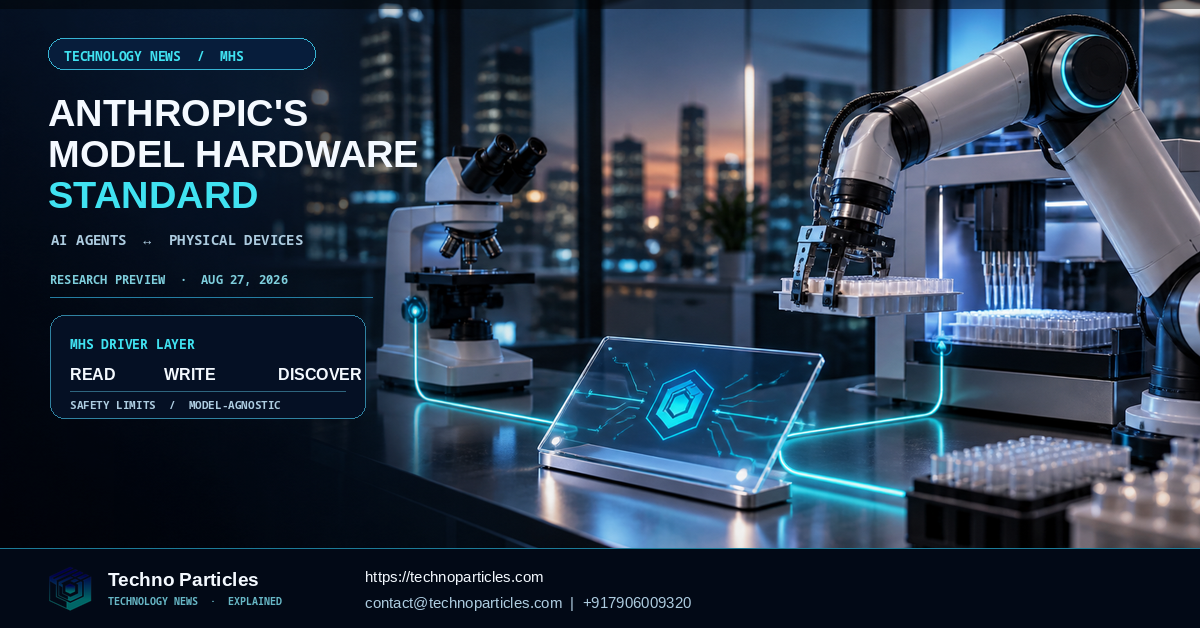
How AI agents could use MHS in real workflows
The strongest early use cases are controlled environments where equipment already performs repeatable operations. In drug discovery, an agent might coordinate a liquid handler, plate reader, microscope, and analysis system. It could prepare a sequence, collect observations, compare results with the experiment plan, and suggest or apply the next approved parameter change.
In advanced manufacturing, the same pattern could connect inspection cameras, robotic arms, calibration tools, and production equipment. Instead of treating every machine as an isolated island, an agent could monitor a process across several systems. Engineers could ask for a status summary in natural language while retaining formal controls over which actions are permitted.
Anthropicâs announcement also mentions laser calibration on a quantum computer. This illustrates the broader ambition: MHS is intended for workflows that involve physical state, measurements, timing, and feedback. The agent is not merely generating instructions for a person. It can participate in a loop that observes a device, reasons about the next step, and sends a command.
The safety model matters as much as the interface
Physical control introduces risks that are less visible in ordinary software automation. A mistaken database update may be reversible; an incorrect temperature, force, voltage, chemical dose, or robot movement may damage equipment or create a safety hazard. A useful hardware standard therefore needs more than convenient command names.
MHS is designed around device descriptions and operating constraints. The driver can communicate the capabilities and limits that an agent must respect. In practice, organizations will still need access controls, emergency stops, validation procedures, logging, network segmentation, human approvals, and policies defining which operations may run without intervention.
The word âsafelyâ in Anthropicâs description should not be read as a guarantee that every deployment is safe by default. Safety depends on the quality of the driver, the accuracy of the device metadata, the modelâs reasoning, and the facilityâs engineering controls. MHS can create a clearer control layer, but it does not remove the need for responsible automation design.
Current limitations and availability
The most important limitation is access. Anthropic opened the August 2026 research preview to a first group of scientific research labs and advanced manufacturers. The announcement does not describe a general public release, a consumer installation package, or a standard commercial price. Organizations should therefore treat MHS as an early program rather than an immediately available product.
The hardware itself also remains a constraint. A standard interface cannot make an incompatible machine programmable, add missing sensors, or solve poor connectivity. Some devices may require custom drivers, vendor cooperation, safety certification, or physical modifications before they can participate in an automated workflow.
Anthropic acknowledges another challenge: current models may struggle with physical reasoning. Agents can misinterpret a device state, miss an unusual failure, or choose an action that looks reasonable in text but is inappropriate in the real world. The company expects some limitations to ease as models become more capable, but that is a forward-looking expectation rather than a completed capability.
For businesses in India, including manufacturers, chemical exporters, printing companies, laboratories, and logistics operators, the near-term lesson is architectural. If you are planning an application development project involving machines, design clean APIs, consistent device metadata, audit trails, and approval gates now. Those foundations can support future agents even if MHS is not yet available to your organization.
Why the standard could matter
Hardware integration has historically been expensive because every connection is treated as a special case. If MHS gains support from equipment makers, research institutions, and agent developers, the cost of building multi-device workflows could fall. That could make small teams more competitive and allow specialists to spend more time on experiments, quality decisions, and process improvement.
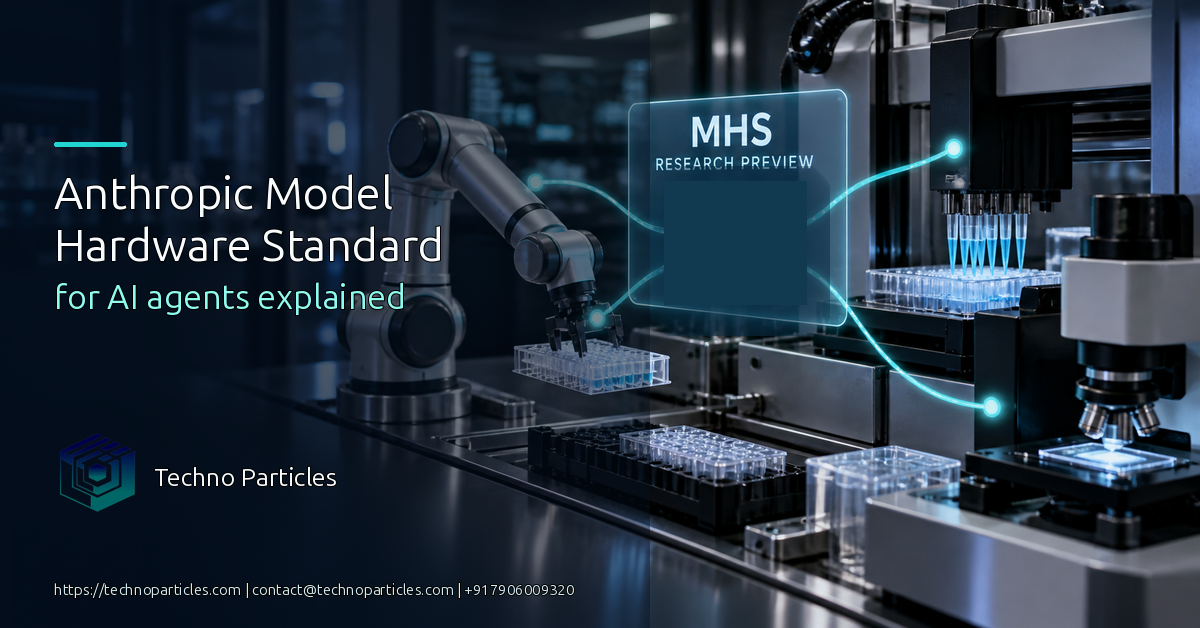
What MHS means for developers and companies
Developers should watch MHS as a possible new layer in the agent stack. A future implementation may include a model, an agent harness, an MHS-compatible driver for each device, a policy engine, and business software that records actions and results. The valuable engineering work will sit between those pieces: identity, permissions, retries, observability, data storage, and human review.
That makes MHS relevant even to organizations that do not operate robotic arms. A company could use the same design principles for warehouse scanners, production sensors, inspection systems, laboratory instruments, or connected office equipment. The agent would need to discover what is available, understand the permitted actions, and produce a record that a person can audit.
However, standardization does not automatically create interoperability. The ecosystem will need versioned specifications, well-maintained drivers, conformance tests, security guidance, and clear responsibility when an action causes damage. Equipment vendors may also differ in how much control they expose. An open standard will be most useful if manufacturers can participate without surrendering safety or proprietary advantages.
Companies exploring physical AI should begin with a narrow workflow. Choose a process with measurable outcomes, stable equipment, and a clear fallback procedure. Keep high-impact operations behind approval gates. Record every observation and command. Test failure modes deliberately, including network loss, stale readings, partial completion, and conflicting sensor data.
Teams can also prepare their existing digital systems. A well-structured CMS, employee management system, or SEO and analytics workflow may not control industrial hardware, but the same principles apply: structured data, explicit permissions, reliable integrations, and clear human ownership. Agent automation works best when the surrounding software is organized enough to expose trustworthy context.
Is MHS the next major agent standard?
It is too early to answer. Anthropic has announced a research preview, not an established industry standard. Its future influence will depend on adoption outside Anthropic, the quality of the specification, support from hardware manufacturers, and evidence from real deployments. MCP became influential because developers could use it across many tools and models; MHS will face a harder challenge because physical systems are slower, costlier, and riskier to test.
Still, the direction is significant. AI agents have mostly acted inside browsers, code repositories, documents, and business applications. MHS recognizes that the next stage of automation requires a common language for machines in the physical world. It connects model-based reasoning with instruments that can measure, move, heat, mix, inspect, and manufacture.
Conclusion: Anthropic Model Hardware Standard for AI agents explained
The Anthropic Model Hardware Standard for AI agents is a research-preview effort to make physical equipment easier for agents to discover and control. Its initial focus is scientific research and advanced manufacturing, with examples including microscopes, liquid handlers, robotic arms, and other laboratory or industrial devices.
The promise is practical: fewer bespoke integrations, better coordination between machines, and more autonomous experiment or production workflows. The limits are equally practical: restricted preview access, uneven hardware compatibility, model errors, safety requirements, and no publicly documented general pricing or release timetable in the announcement.
For now, organizations should view MHS as an important signal rather than a plug-and-play solution. Businesses considering connected operations can prepare through robust APIs, device inventories, access policies, monitoring, and human-in-the-loop approvals. When physical-agent standards mature, those foundations will make adoption faster and safer.
Techno Particles helps businesses plan connected digital products through project consultation, custom applications, automation, and responsive web systems. For companies assessing how agents could fit into research, manufacturing, commerce, or internal operations, the first step is a carefully scoped workflow with clear evidence of value.
Leave a comment