Process & master-data mapping
Identify the operational workflows in scope and the records they share. Document ownership, validation rules and approval points before choosing modules.
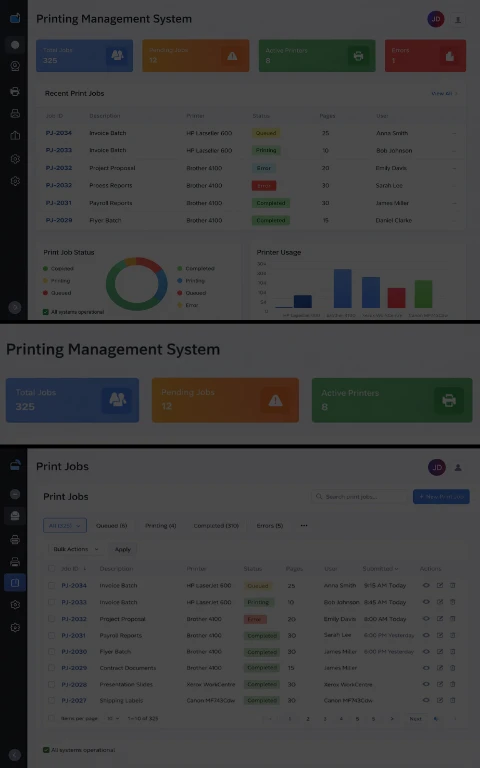
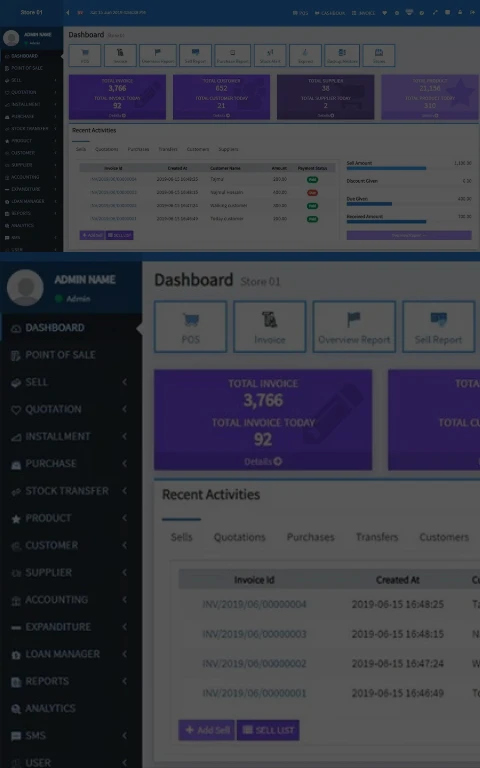
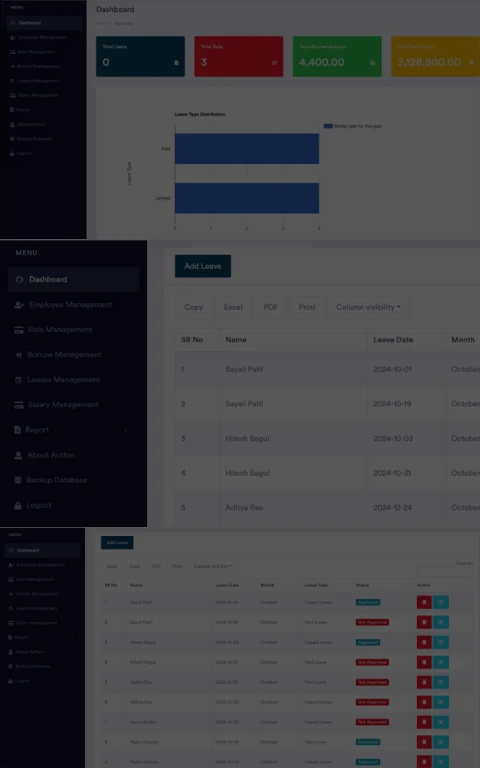
ERP workflows that connect operational records and responsibilities across business functions.
For businesses coordinating information across departments or replacing disconnected operational spreadsheets and software.
Serving businesses worldwide with a project-specific scope, estimate and support plan.
Use these areas to discuss deliverables, dependencies and acceptance criteria. The final scope is agreed for your project.
Identify the operational workflows in scope and the records they share. Document ownership, validation rules and approval points before choosing modules.
Discuss the required inventory, purchasing, order or other operational workflows. Assess existing accounting and specialist systems rather than assuming everything should be replaced.
Plan data checks, role-based access, reconciliation and user acceptance. A phased rollout can help validate a process before extending the system to more teams.
| Approach | When it fits | What to consider |
|---|---|---|
| Focused operational module | One process needs improvement first. | Dependencies on records used elsewhere. |
| Integrated business system | Several workflows must share data. | Data ownership, permissions and reconciliation. |
| Existing ERP integration | A current platform needs connected workflows. | Available APIs and supported extension points. |
Share your priorities and target date. Confirm inclusions, third-party costs and ongoing responsibilities in the proposal.
See selected projects, then talk to us about the scope your business needs.
Practical answers to help you prepare a useful project brief.
A CRM focuses on customer relationships and sales activity. An ERP typically coordinates operational processes and shared business records. They may need to exchange information, but their responsibilities and authoritative data should be clearly separated.
No. The right scope may retain specialist systems and connect selected workflows. Assess integration access, data ownership and operational risk before deciding what to replace.
Shared records such as products, suppliers or customers affect multiple workflows. Inconsistent identifiers, units or duplicate records can create reporting and reconciliation problems. Data preparation is therefore part of the implementation, not just an import task.
A phased plan can introduce a bounded workflow or department first. Define the dependencies, parallel-operation rules and acceptance checks so expansion does not create conflicting sources of truth.
Techno Particles · Working with businesses worldwide. Share your requirements, existing systems and priorities.