
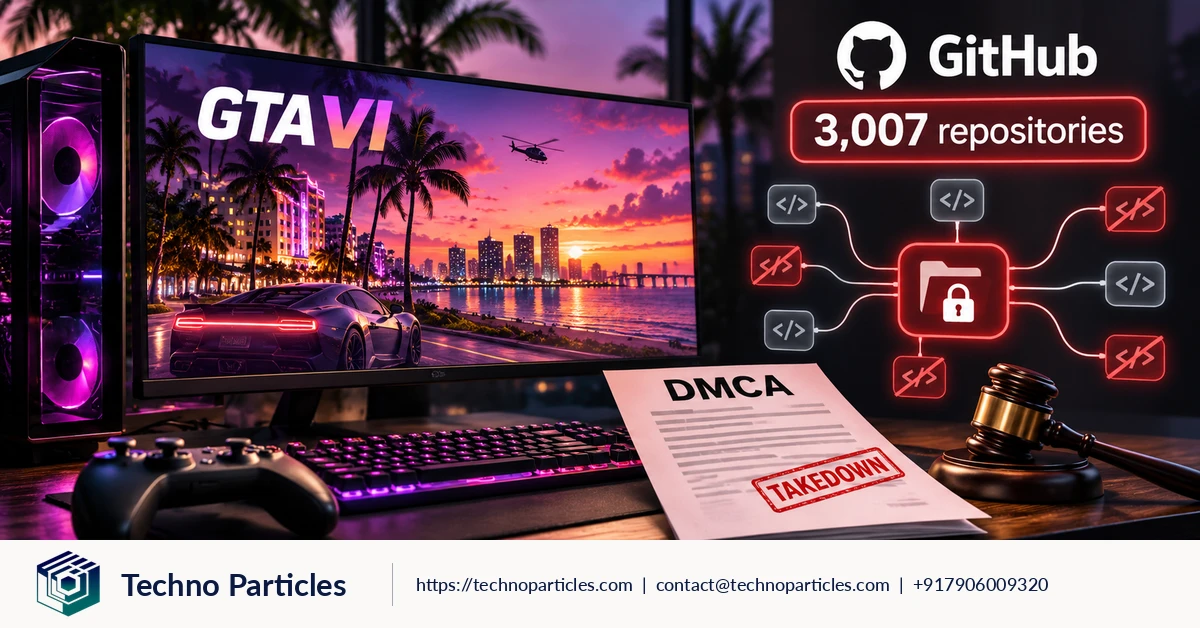
The Take-Two GTA 6 PC port DMCA action has put a large GitHub repository network in the spotlight. GitHub says it processed a copyright notice against 3,007 repositories associated with Leonida, an unofficial project described in the notice as a native PC recompilation of the Xbox version of Grand Theft Auto VI. The action concerns a repository network; it is not an announcement of an official PC release. GitHub’s published notice records the action.
| Detail | What the sources say |
|---|---|
| Project named | Leonida, described in Take-Two’s notice as a native PC recompilation of the Xbox version |
| Repositories processed | 3,007 across the associated network |
| Officially listed platforms | PlayStation 5 and Xbox Series X|S |
What changed in the GTA 6 PC port DMCA case?
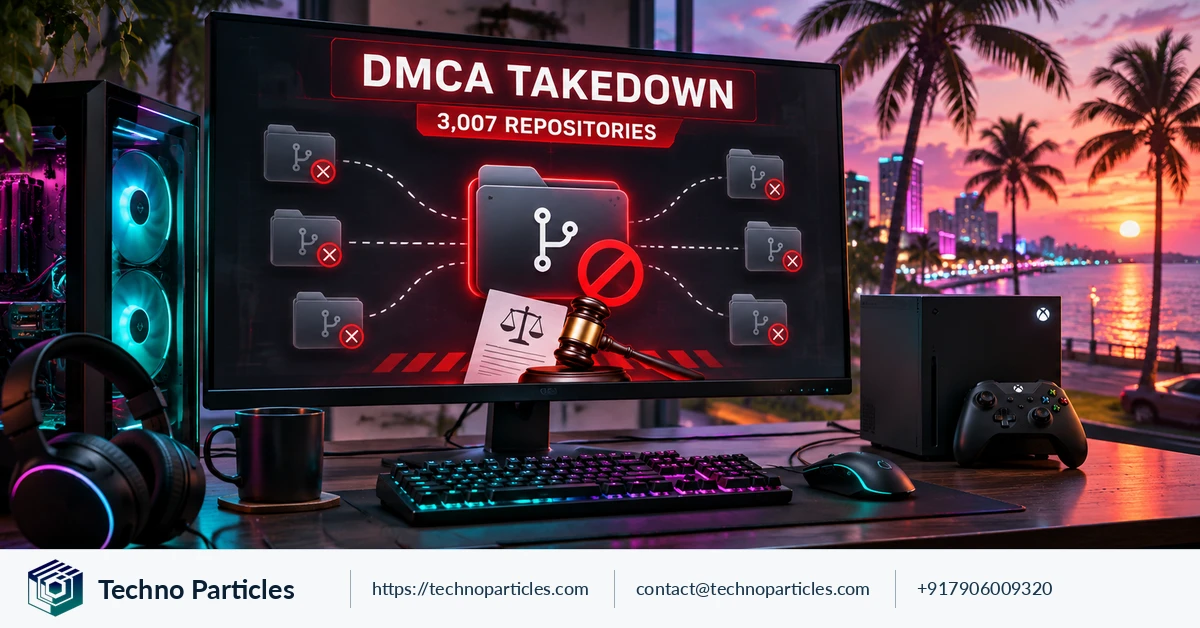
GitHub published the notice dated November 24, 2026. Take-Two’s IP Enforcement Team identified the Leonida repository and more than 2,900 forks, while GitHub stated that it processed the notice against the entire network of 3,007 repositories. The difference matters: the figure describes repositories in a network, not a count of independently created PC ports.
In the notice, Take-Two alleged that stolen Xbox Series GTA VI files were publicly distributed on November 20 and that Leonida opened the following day. Those dates describe the company’s account of events; they do not independently establish what happened or whether the project could run the complete game.
Rockstar’s platform support page, updated November 18, lists PlayStation 5 and Xbox Series X|S. For readers considering how software reaches different devices, application development covers the broader work of building applications for their intended platforms.
Why GitHub counted 3,007 repositories
GitHub treats a fork as a separate repository, even when it belongs to a network built around a shared parent project. A fork can preserve or change material from that parent. This structure lets developers work on their own copies, but it also means one notice can involve a large number of repositories. GitHub’s DMCA Takedown Policy explains how it handles fork networks.
For networks with more than 100 repositories, GitHub’s policy allows it to process a notice against the entire network when the rights holder alleges that all or most forks infringe to the same extent as the parent. GitHub said it applied that approach to Leonida after Take-Two made that allegation. The action does not establish that every fork contained identical material. GitHub’s published notice records the basis for processing the network.
For teams assessing how to structure collaborative development, project consultation covers planning and scope definition. The Leonida action illustrates a separate consideration: a repository’s place in a large fork network can affect how GitHub processes a copyright notice.
What Take-Two says Leonida did
Take-Two described Leonida as a project intended to recompile the Xbox version of Grand Theft Auto VI for PC. Its notice challenged the project’s instruction that users bring their own game files, arguing that this did not resolve its copyright concerns. Decrypt’s report on the notice describes the project and the company’s complaint.
Recompilation is a technical approach to making software built for one computing environment run in another. A project using that approach may still depend on separate game files: the repository and the files a user must provide have different roles. A description of the intended approach, however, does not establish how much of a game the resulting software can run or how well it performs.
Take-Two alleged that Leonida reproduced copyrighted expression and constituted a derivative work. It also alleged that the project facilitated infringement in connection with the files described in its notice. Those are the company’s legal claims, not findings made by a court. The distinction matters because a repository removal records GitHub’s response to a notice; it does not by itself settle the underlying copyright dispute.
The dispute also turns on more than the project’s label. Calling software a recompilation describes its proposed technical function, while the notice raises separate questions about the material involved and the rights to use it. Readers should therefore avoid treating either the project’s stated purpose or Take-Two’s allegations as a complete account of its legal status.
For a broader view of the work involved in software projects, the company’s services page describes its development capabilities. The Leonida notice concerns a specific copyright complaint about an unofficial project; those general capabilities do not establish anything about that project’s implementation.
What official GTA VI availability means for PC players
Rockstar’s GTA VI launch page says the game became available worldwide on November 19, 2026, for PlayStation 5 and Xbox Series X|S. Its platform and editions page lists those consoles but does not list a PC version or give a PC release date.
That distinction matters when evaluating a port claim. A repository that aims to adapt console software for another platform is separate from a release offered by the game’s publisher. Its existence does not establish that Rockstar has announced or distributed a PC edition.
Platform support also involves more than naming a destination device: application development services describe work such as testing, deployment and maintenance coordination. For GTA VI, Rockstar’s platform information is the relevant source for identifying which versions it officially lists.

How GitHub’s DMCA process can continue
GitHub’s DMCA Takedown Policy describes a process for handling copyright complaints and responses. A notice asks GitHub to disable access to identified material; a counter-notice gives an affected user a way to contest a removal. The policy sets out what each submission must contain and explains the possible steps after GitHub receives it.
GitHub says it is not in a position to judge the merits of a copyright claim. Its handling of a notice is therefore an administrative response under its policy, while a dispute over the underlying rights may proceed through a separate legal process. The policy also describes circumstances in which disabled material may be restored following a valid counter-notice.
A counter-notice is a formal legal submission, not simply a request to turn a repository back on. Someone considering one should read GitHub’s requirements carefully and seek legal advice about their circumstances. The policy explains that information provided in a counter-notice may be shared with the party that submitted the takedown notice.
For a development team, a removal can also interrupt access to material used in an ongoing project. The immediate planning question is which work depends on the affected repository and who is responsible for responding. A team can document those dependencies and its communications so that the people handling the project have a clear account of the disruption.
That operational planning is separate from determining copyright rights. Techno Particles’ project planning and consultation services cover scope definition and workflow analysis, which are relevant to organizing development work when a dependency becomes unavailable. Whether any particular repository can be restored remains a question for the applicable notice process and any subsequent proceedings.
How to assess GTA 6 PC port claims
For claims about an official release, use Rockstar’s platform information as the deciding source. Before treating a Take-Two GTA 6 PC port DMCA report as evidence of an official PC edition, check the Rockstar GTA VI platform page for a PC listing.


Leave a comment
Your email stays private. You can see your comment immediately on this browser. Others see it after approval.